Morocco is difficult to plan well because the places most people want to see are spread across very different regions. A first trip works best when you choose a route, not a list.
This guide focuses on where to go first, how to match destinations to the kind of traveller you are, and how to build realistic 7-, 10- and 14-day itineraries without spending half the holiday in transit.
Best places to visit in Morocco for a first trip
Marrakech: best first stop for energy and contrast
Marrakech is the easiest introduction to the country if you want immediate atmosphere. The medina, Jemaa el-Fna, palaces, gardens, souks and food all sit within a compact area, but the city needs at least two full days to stop feeling overwhelming and start becoming legible.
Use our Marrakech guide for neighbourhoods, practical planning and the places worth prioritising.
Fès: best for history, craft and urban depth
Fès is the strongest choice for travellers who care more about historic fabric and traditional craft than nightlife or resort comfort. Fès el-Bali rewards slow walking, but the density of lanes means a licensed local guide can be useful for orientation on the first day.
Read our Fès medina guide before deciding how many nights to stay.
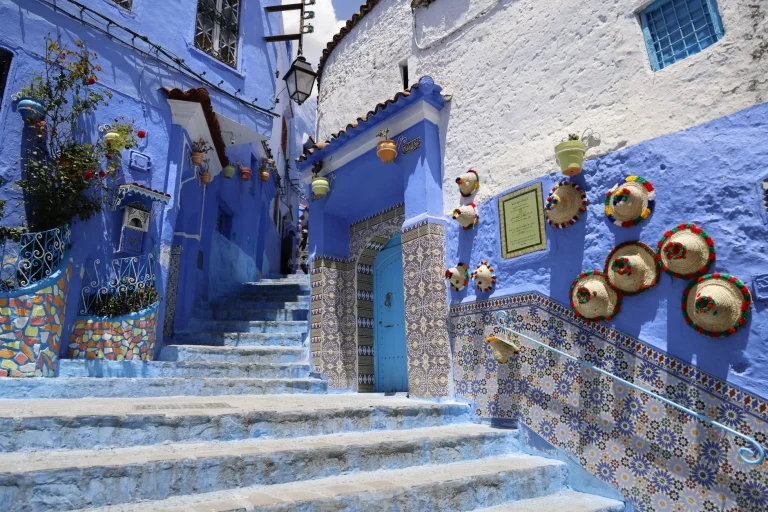
Chefchaouen: best for a slower northern stop
Chefchaouen’s blue medina makes it one of Morocco’s most photographed towns, but the setting in the Rif is what makes an overnight stay worthwhile. Early morning and evening are better than arriving, taking photographs and leaving with the day-trip traffic.
Our Chefchaouen guide covers the medina and the surrounding mountain area.
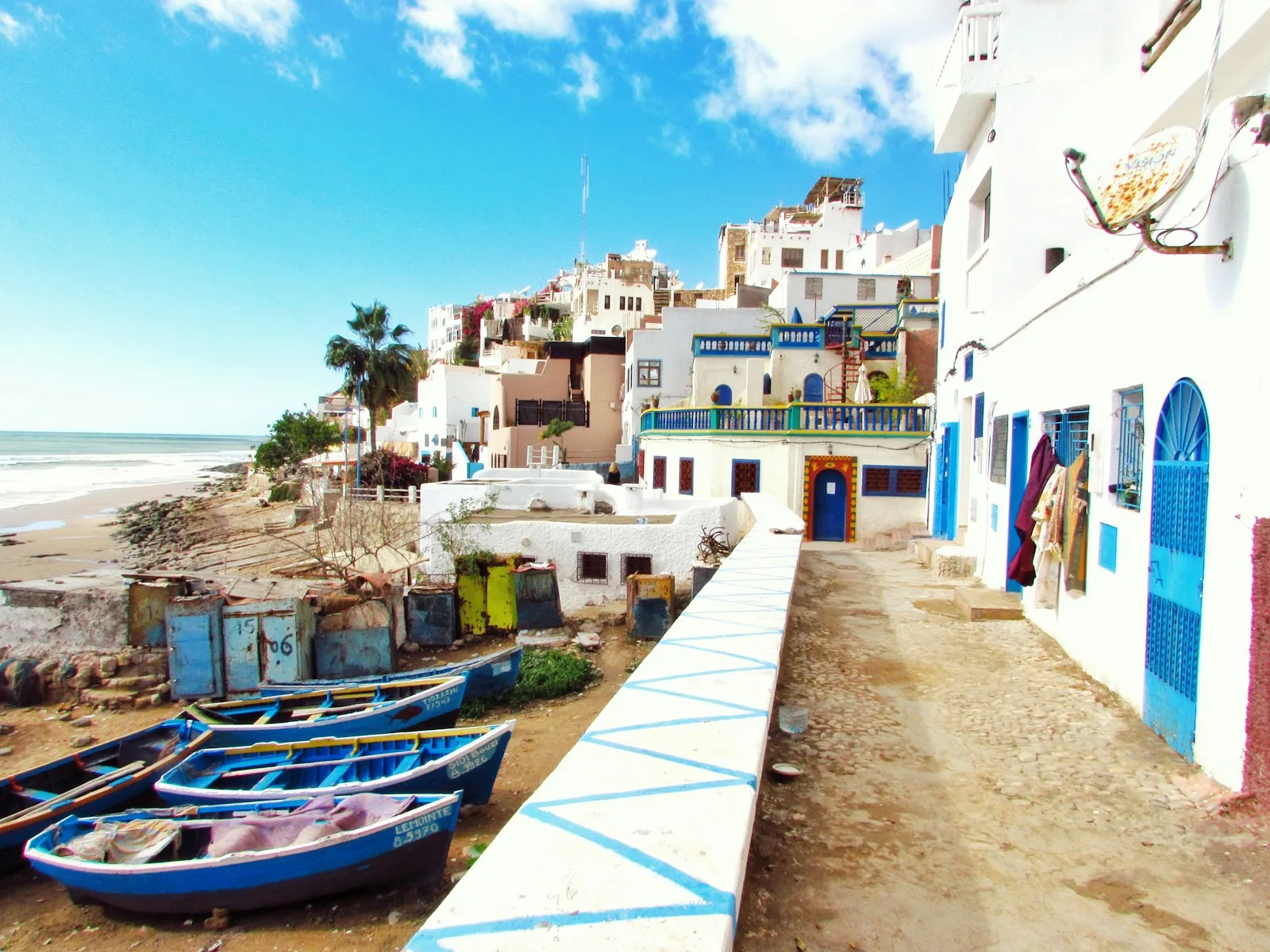
Essaouira: best for coast, food and a slower pace
Essaouira is one of the easiest places in Morocco to enjoy without a timetable. The medina is compact, the port is active, the Atlantic is always present and the city works equally well for a two-night pause or a longer stay.
See the complete Essaouira guide for the practical details.
Merzouga and Erg Chebbi: best for desert landscape
The dunes near Merzouga are a major reason many people visit Morocco, but they should never be treated as a casual day trip from Marrakech. The road south is part of the journey and includes Atlas scenery, oasis country and long transfers.
If the Sahara matters to you, build the route around it. Our Sahara and Erg Chebbi guide explains what the trip actually involves.
Aït Benhaddou and the Ouarzazate route: best for southern architecture
Aït Benhaddou fits naturally into a road journey between Marrakech and the south. The value is not simply the famous skyline: it is one of the clearest places to understand Morocco’s earthen fortified architecture.
Todra and Tinghir: best for mountain-and-oasis contrast
Todra is most useful as part of the desert route rather than as an isolated destination. The gorge, palm groves and Tinghir area break up the long drive and show a completely different landscape from Marrakech or Merzouga.
Tangier: best for a northern Morocco route
Tangier works especially well for travellers arriving from Spain or building a journey through the north. The Kasbah, Grand Socco, coast and long international history make it more than a transit city.
Use our Tangier guide if your trip begins in the north.
Volubilis and Meknès: best for travellers interested in history
Volubilis adds a Roman layer that the imperial cities cannot provide. It combines well with Meknès and can be visited from Fès without creating a major detour.
Agadir and the Atlantic south: best for an easier beach ending
If you want several days of hotel comfort, pools and beach after a city-heavy itinerary, Agadir is the simplest choice. If surf matters more than resort infrastructure, continue towards Taghazout.
Where to go by type of traveller
For a first-time visitor who wants the classic Morocco experience
Choose Marrakech, one southern route stop such as Aït Benhaddou, and either Essaouira or Merzouga depending on available time. This gives you city, architecture and either coast or desert without forcing the whole country into one week.
For culture and history
Prioritise Fès, Meknès, Volubilis and Marrakech. Add Rabat if you want a calmer capital with major historic sites and easier urban logistics.
For photography
Chefchaouen, Fès, Marrakech, Aït Benhaddou, Erg Chebbi and Essaouira all offer strong visual material, but the best results come from staying overnight. The quietest hours are usually early morning and late afternoon, not the middle of a day tour.
For food
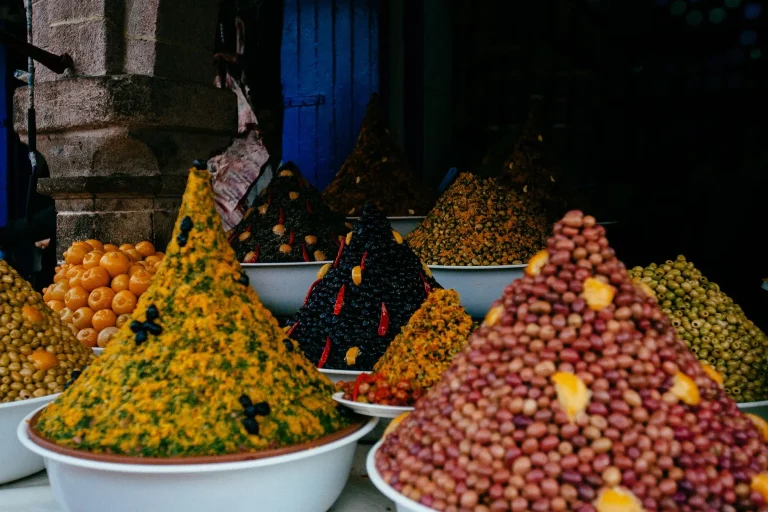
Fès and Marrakech should be the anchors, with Essaouira or another coastal stop added for seafood. Our Moroccan cuisine guide is the best starting point if food is central to the trip.
For couples
Marrakech plus Essaouira is one of the strongest combinations because the two places feel completely different without requiring extreme travel days. Oualidia is another good option if the priority is privacy, seafood and a slower coastal stay. For more ideas, see our most romantic experiences in Morocco.
For families
Reduce the number of hotel changes. Marrakech plus Essaouira or Marrakech plus Agadir is easier than a fast desert circuit with young children. If you do go south, add rest time rather than treating every transfer as another sightseeing day.
For solo travellers
Major cities are straightforward to organise independently, but route simplicity matters. Our guide to Morocco’s best cities for solo travellers compares the strongest bases.
7 days in Morocco: choose one region
Seven days is enough for a memorable trip, but not enough for a national tour. Pick one coherent route.
Option A: Marrakech, Atlas and Essaouira
- Days 1-3: Marrakech
- Day 4: High Atlas or nearby rural stay
- Days 5-7: Essaouira
[MAPPA PERCORSO: Marrakech → High Atlas → Essaouira]
This is the strongest first-week route for travellers who want variety without punishing transfers.
Option B: Tangier, Chefchaouen and Fès
- Days 1-2: Tangier
- Days 3-4: Chefchaouen
- Days 5-7: Fès
[MAPPA PERCORSO: Tangier → Chefchaouen → Fès]
This route is particularly logical for travellers arriving from Spain or flying into northern Morocco.
Option C: Marrakech and the Atlantic south
- Days 1-3: Marrakech
- Days 4-5: Agadir or Taghazout
- Days 6-7: coast or return to Marrakech
[MAPPA PERCORSO: Marrakech → Agadir/Taghazout → Marrakech]
10 days in Morocco: enough time for a real route
Ten days gives you room to add the desert or combine the north with an imperial city.
Classic south
- Days 1-3: Marrakech
- Day 4: Aït Benhaddou / Ouarzazate area
- Day 5: Tinghir / Todra
- Days 6-7: Merzouga / Erg Chebbi
- Day 8: return north through the south
- Days 9-10: Marrakech or one recovery stop
[MAPPA PERCORSO: Marrakech → Aït Benhaddou → Tinghir/Todra → Merzouga → Marrakech]
North to central Morocco
- Days 1-2: Tangier
- Days 3-4: Chefchaouen
- Days 5-7: Fès
- Day 8: Volubilis and Meknès
- Days 9-10: Rabat or Casablanca depending on departure
[MAPPA PERCORSO: Tangier → Chefchaouen → Fès → Volubilis/Meknès → Rabat]
14 days in Morocco: the first trip with real range
Two weeks is the first point at which Marrakech, the south and the Atlantic can coexist without every second day becoming a transfer.
- Days 1-3: Marrakech
- Day 4: Aït Benhaddou / Ouarzazate
- Day 5: Tinghir / Todra
- Days 6-7: Merzouga
- Day 8: south route return
- Days 9-10: Marrakech or rest
- Days 11-13: Essaouira
- Day 14: departure connection
[MAPPA PERCORSO: Marrakech → Aït Benhaddou → Tinghir/Todra → Merzouga → Marrakech → Essaouira]
A different two-week route can focus on the north: Tangier, Chefchaouen, Fès, Volubilis, Meknès, Rabat and Marrakech. Do not add Merzouga to that route simply because two weeks sounds long; north-to-desert geography still consumes serious travel time.
Train or road?
As of 2026, rail is the practical choice between major cities on the northern and Atlantic corridor, while the Atlas, Aït Benhaddou, Todra, Drâa and Merzouga require road transport.
The mistake is designing an itinerary that alternates repeatedly between efficient rail cities and remote southern stops. Cluster the road section together.
How long should you stay in each place?
| Destination | Recommended first-trip stay | Why |
|---|---|---|
| Marrakech | 3 nights | Enough time for medina, monuments and one slower day |
| Fès | 2-3 nights | The medina needs time and benefits from a guided orientation |
| Chefchaouen | 1-2 nights | Overnight stay avoids the rushed day-trip experience |
| Essaouira | 2-3 nights | Best enjoyed slowly rather than as a return dash from Marrakech |
| Merzouga | 2 nights | Long journey makes a one-night turnaround poor value |
| Tangier | 2 nights | Enough for city, coast and northern context |
Common first-trip mistakes
- Booking one night in every city.
- Treating Merzouga as a quick excursion from Marrakech.
- Adding Chefchaouen to a southern route without considering the geography.
- Assuming every Atlantic beach is easy swimming water.
- Arriving late inside a medina without a clear accommodation meeting point.
- Building the trip around famous photographs rather than travel times.
- Using every day for movement and leaving no recovery time.
If you want to expand the route into specific experiences, our 50 best things to do in Morocco guide is organised by region so you can add activities without adding unnecessary detours.
What I would choose for a first visit
If I had one week, I would choose Marrakech, the Atlas and Essaouira. If I had ten days and the desert was essential, I would build the whole route around Marrakech, Aït Benhaddou, Todra and Merzouga. With two weeks, I would add Essaouira at the end rather than try to bolt northern Morocco onto the same journey.
Morocco is better when you notice the transitions: imperial city to mountain road, palm oasis to dry plateau, medina to Atlantic port. Those changes disappear when the itinerary becomes a race.
Leave a comment