
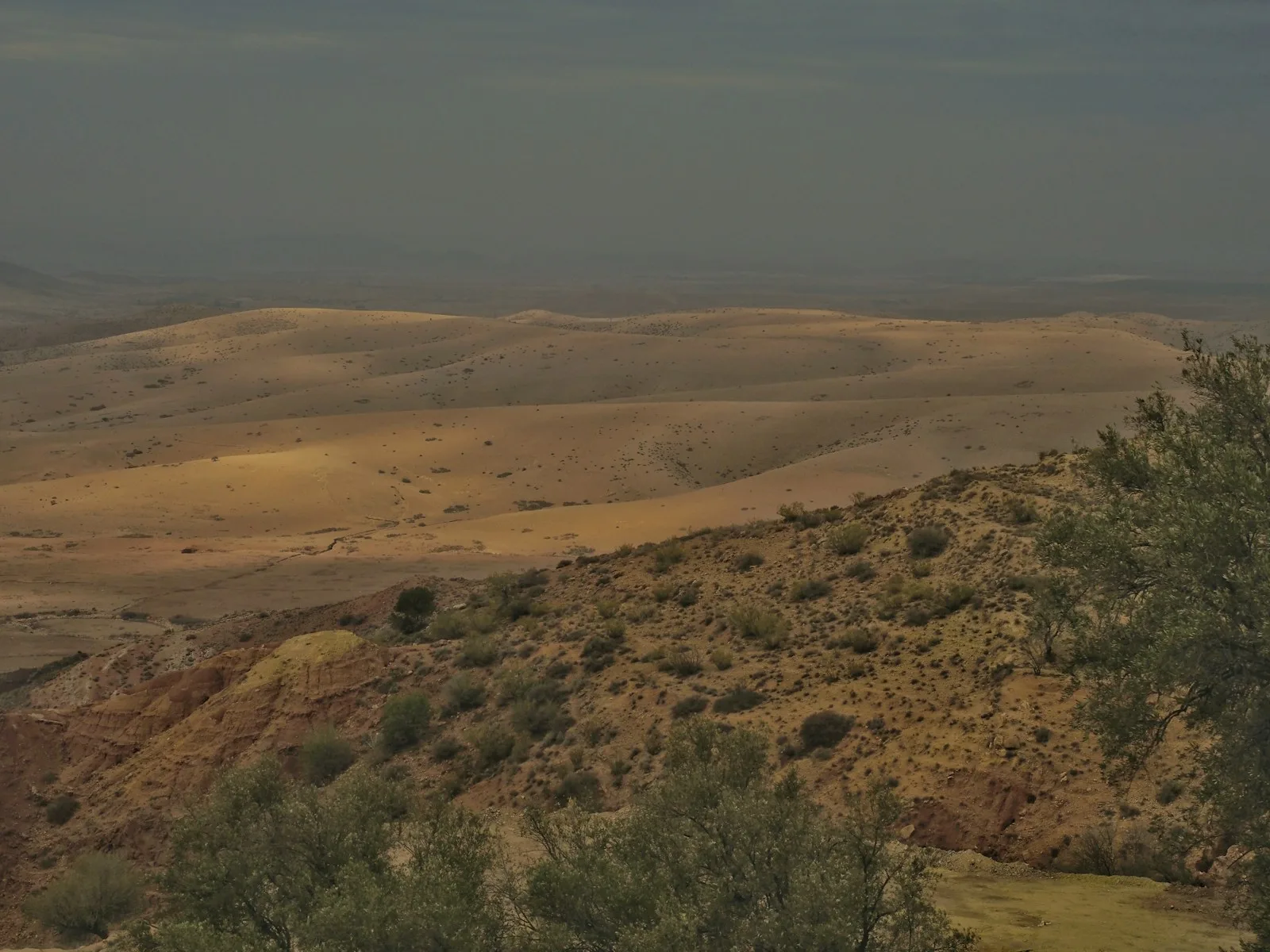
October and November are two of the best months for travelling across several regions of Morocco in one trip. The hardest summer heat has eased, mountain walking becomes more comfortable and the south is easier to explore, while the Atlantic remains useful as a coastal break.
Autumn in Morocco is not one national season. October in Marrakech, November in the Middle Atlas and late autumn in the Sahara can feel completely different. This guide is about where to go, what changes between the two months and how to build a realistic autumn route.
October or November: which is better?
October is the easier all-round month if you want cities, mountains, coast and the south in one journey. Days are generally warmer and there is more room for swimming on the coast, although conditions vary.
November brings cooler evenings, shorter days and a stronger move towards winter at altitude. It can be excellent for cities and the Sahara, but mountain weather needs more attention.
For the full year comparison, see our when to visit Morocco month by month guide.
Marrakech in October and November
Autumn makes Marrakech much easier to walk than the hottest part of summer. Long medina days, gardens and outdoor terraces become more comfortable, especially in October.
November evenings can feel cooler than first-time visitors expect, so pack a layer. The city remains busy because autumn is a popular travel period.
Use the Marrakech guide to organise attractions by area rather than crossing the medina repeatedly.
High Atlas: walking season with rapidly changing evenings
The High Atlas is one of the strongest reasons to visit in autumn. Lower daytime heat makes walking more pleasant, while cultivated valleys begin to shift colour and harvest activity changes the landscape.
Altitude matters. A comfortable afternoon can become a cold evening quickly, especially later in November. Bring layers and check short-range forecasts before remote hikes.
Aït Bougmez and high valleys
High valleys can show more obvious seasonal change than Morocco’s cities. Orchards, walnut trees and fields move out of their summer green while mountain light becomes clearer.
For multi-day walking, use a local guide where appropriate and confirm accommodation because some seasonal operations reduce activity as winter approaches.
Middle Atlas: Ifrane and Azrou
The Middle Atlas gives you a different autumn from Marrakech. Cooler air, cedar country and higher elevations make October and early November attractive for forest and road trips.
By later November, weather can change quickly. Carry rain protection and do not assume a sunny forecast in Fès applies at higher altitude.
Fès in autumn
Fès benefits from cooler weather because the medina requires a great deal of walking. October and November are both strong months if cultural travel is the priority.
Combine Fès with the Middle Atlas if you want more obvious seasonal landscape. Our Fès guide helps build the city section before you add rural travel.
Chefchaouen and the Rif
Chefchaouen is comfortable in autumn, but rain becomes more relevant as the season progresses. The blue medina is only half the reason to go; the Rif around the town adds walking and landscape.
If Akchour or mountain paths are central to the trip, keep one flexible day in case weather changes. See the Chefchaouen guide for the wider area.
Essaouira: Atlantic light without peak summer pressure
Essaouira works well in autumn for travellers who want food, walking and coast rather than guaranteed hot-water swimming. Wind remains part of the city, but the overall pace is often easier than midsummer.
Pack a light layer even if you are arriving from warm Marrakech. The temperature difference can feel larger because of wind.
Agadir and Taghazout
The Atlantic south remains useful for beach time and surf-focused travel. October usually gives a better chance of warm beach days, while autumn into winter becomes increasingly important for surf conditions.
Swimming depends on the day. For the right coastal choice, use our Morocco beaches complete guide.
Taliouine and saffron season
Taliouine is closely associated with saffron, and late autumn attracts travellers interested in harvest activity. Agricultural timing changes with weather, so do not build an expensive detour around a fixed date without confirming current 2026 conditions locally.
If a cooperative or farm offers organised visits, use the formal visit rather than entering private fields independently.
Skoura and the oasis south
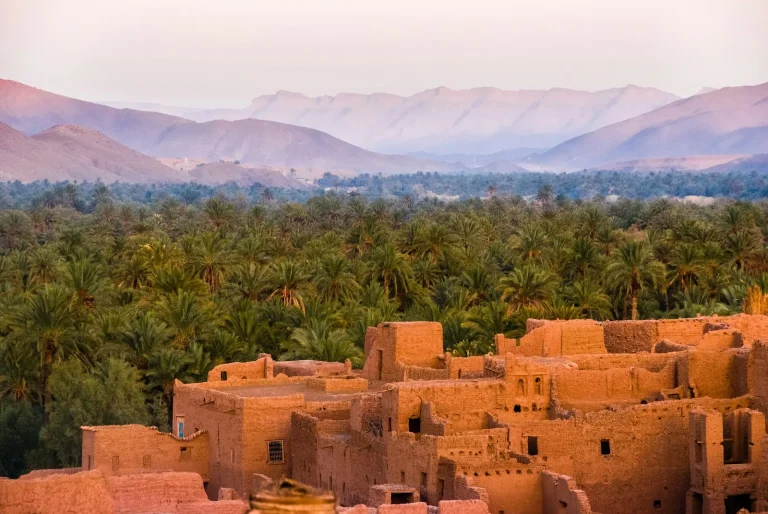
Skoura becomes easier to explore as temperatures fall. Palm groves, earthen architecture and quiet roads make it a good stop between Marrakech and the deeper south.
Autumn light is particularly strong early and late in the day. Stay overnight if photography or walking matters; otherwise you risk passing through at the brightest and least interesting part of the day.
Drâa Valley in autumn
The Drâa is strong in autumn because the summer heat is less oppressive and agricultural activity changes across the oasis corridor.
Do not expect European-style foliage. The appeal is palms, dates, earthen villages and the contrast between cultivated strips and dry surrounding land.
Merzouga and Erg Chebbi
Autumn is one of the most comfortable periods for the Sahara edge. Daytime conditions are generally easier than high summer, while nights become progressively cooler towards November.
Bring a warm layer for early mornings and camp evenings. If the desert is central to your trip, use our Sahara and Erg Chebbi guide to plan enough travel time.
What autumn actually looks like in Morocco
Do not travel expecting one perfect week of red and orange leaves across the country. Morocco’s landscapes are too varied for that.
Autumn means harvests, lower heat, changing mountain vegetation, clearer walking conditions and softer light. The strongest seasonal colour is usually in higher or more vegetated regions, not in every palm oasis or medina.
Best 7-day October route
- Days 1-3: Marrakech
- Days 4-5: High Atlas
- Days 6-7: Essaouira
This route gives city, mountain and coast without long desert transfers.
Best 8-10 day November route
- Days 1-3: Fès
- Days 4-5: Middle Atlas
- Days 6-7: Chefchaouen
- Days 8-10: Tangier or return south depending on flights
This route keeps the journey geographically coherent while giving you medina, forest and Rif landscapes.
Best autumn south route
- Days 1-3: Marrakech
- Day 4: Aït Benhaddou / Ouarzazate
- Day 5: Skoura or Tinghir
- Days 6-7: Merzouga
- Days 8-9: return through the south
Add days rather than remove them if you want the Drâa as well. Autumn makes the road comfortable; it does not make Morocco smaller.
What to pack in October and November
- Light clothes for warm afternoons.
- A warm layer for mountains, desert mornings and November evenings.
- Rain protection for the north and mountain regions.
- Walking shoes with grip.
- Sun protection even when temperatures feel mild.
- A small day bag for layers you will remove and put back on repeatedly.
Road planning in autumn
Daylight becomes shorter as the season advances. Avoid scheduling arrival at an unfamiliar mountain guesthouse after dark simply because the driving distance looks short.
Rain, road works and early cold at altitude can change travel times. Build flexible routes rather than committing every night to an ambitious distance.
Final advice
Autumn is one of Morocco’s strongest seasons because it lets you combine regions that are harder to enjoy together in midsummer. October is the broadest all-round choice; November is excellent for cities and the south if you respect shorter days and cooler nights.

Leave a comment