
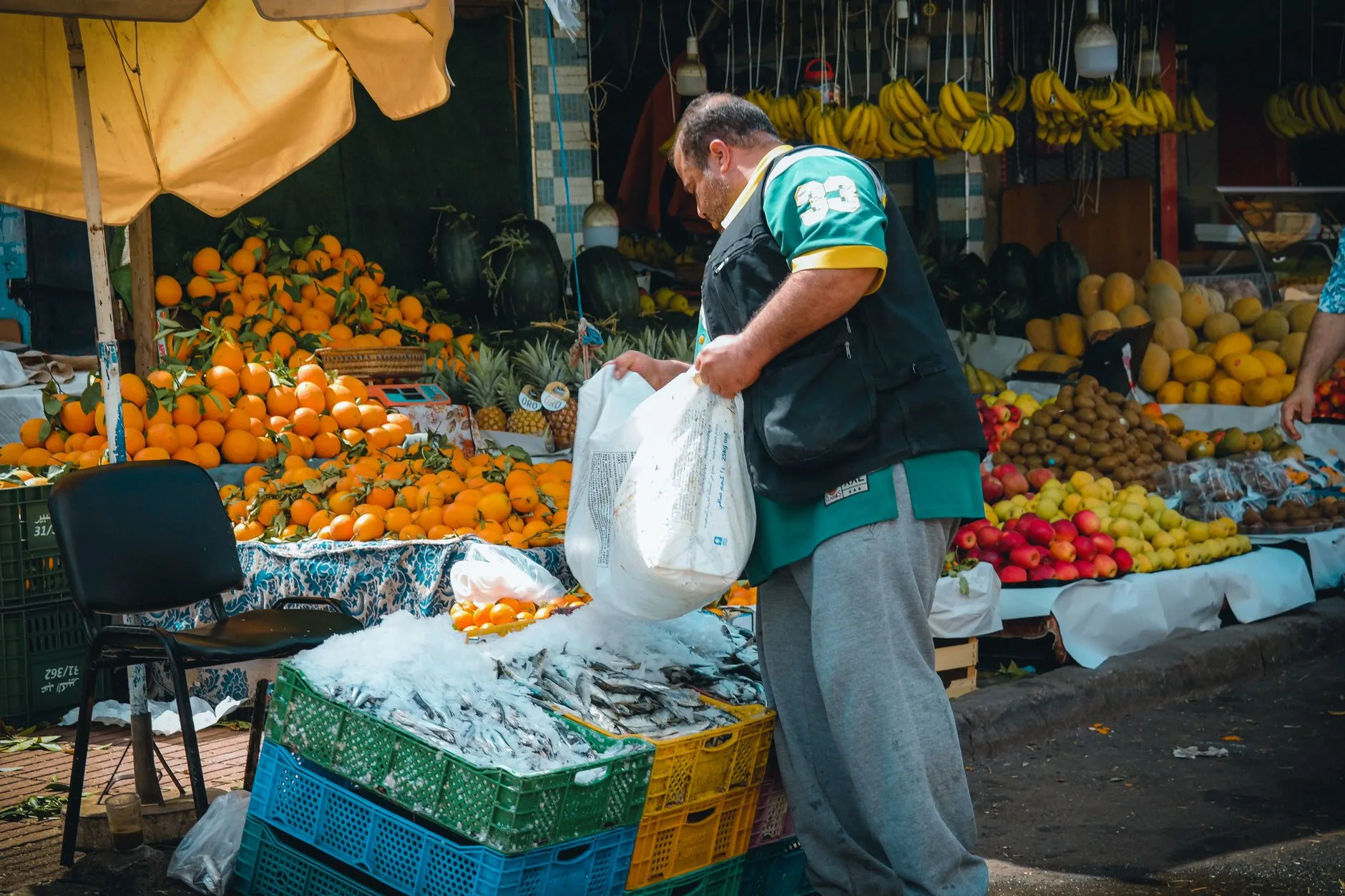
Eating well in Morocco is not about avoiding Moroccan food. It is about understanding which parts of the cuisine are naturally balanced, which restaurant versions become heavy, and how to make sensible choices without turning a trip into a diet.
Moroccan cooking is built around vegetables, pulses, olive oil, grains, herbs, spices, fish and meat used in very different proportions depending on region and household. The Moroccan National Tourist Office describes the cuisine as a meeting of Amazigh, Arab-Andalusian and Jewish traditions, with dishes such as couscous, tagine, pastilla, rfissa and mechoui forming part of a much wider food culture.
Moroccan foods that make balanced eating easier
Start with the parts of Moroccan cuisine that are already balanced
Many everyday dishes are naturally vegetable- and pulse-heavy. Harira combines tomato, lentils, chickpeas, herbs and sometimes meat. Zaalouk uses aubergine and tomato. Taktouka combines peppers and tomato. Lentils, beans and chickpeas appear as inexpensive staples throughout the country.
The healthiest strategy is therefore not to search for “healthy restaurants”. Order traditional food in sensible combinations: vegetable salads, a tagine, grilled fish, lentils, fruit and bread rather than several rich dishes at once.
Tagine: healthy or heavy?
Tagine is a cooking method as much as a recipe. A vegetable tagine can be light; a lamb tagine with dried fruit and generous oil can be very rich. Both are authentic. The difference is the ingredients and portion.
If you want a lighter meal, choose vegetable, chicken or fish tagines and share bread rather than treating it as an unlimited side. If the sauce is oily, you do not need to finish every drop.
Couscous
Couscous is traditionally a complete meal rather than a small side dish. The grain is topped with vegetables, broth and meat in varying amounts. Friday couscous can be large and celebratory, so a single portion may be more food than one traveller expects.
For balance, focus on the vegetables and pulses and treat the semolina as one part of the plate, not the entire meal.
Harira and soups
Harira is one of the best travel meals when you want something filling without a heavy restaurant dinner. Lentils and chickpeas bring protein and fibre; tomato and herbs add flavour; portions are usually manageable.
During Ramadan, harira is strongly associated with the evening meal that breaks the fast, but it is available outside Ramadan as well.
Moroccan salads are not one salad
A “Moroccan salad” may mean a fresh chopped tomato-cucumber plate, but traditional starters often arrive as several cooked vegetable dishes. Zaalouk, taktouka, carrots with cumin, beetroot and courgettes are common examples.
The official Moroccan tourism site specifically highlights zaalouk and other vegetable starters as part of the national food tradition. A table of vegetable salads plus grilled fish is one of the easiest ways to eat lightly without stepping outside Moroccan cuisine.
Grilled fish on the coast
Essaouira, Agadir and other coastal cities make healthy eating particularly easy. Grilled sardines and whole fish need very little beyond lemon, salt and chermoula. Avoid turning a simple fish lunch into a heavy meal by adding several fried starters and sweet drinks.
Drinks, breakfast and everyday choices
Breakfast
Moroccan breakfasts can range from excellent to extremely carbohydrate-heavy. Bread, msemen, baghrir, jam, honey and sweet tea can easily become a large sugar-and-starch meal before the day starts.
Balance it with eggs, plain yoghurt, fruit, olives or cheese where available. You do not have to eat every pastry placed on the table.
Mint tea and sugar
Mint tea is culturally important, but traditional preparation can be very sweet. If you prefer less sugar, ask for it without sugar or with sugar served separately. Do not assume “tea” is automatically a low-calorie drink simply because it contains green tea and mint.
Fresh juice
Orange juice is widely sold in Morocco and can be excellent, but it is still concentrated fruit sugar without the fibre of whole fruit. A small glass is refreshing; several large juices a day add up quickly.
Dietary needs and food safety
Hydration and food hygiene
Food safety is regulated nationally by ONSSA under Morocco’s food-safety framework, including Law 28-07. For travellers, official foreign travel advice still recommends good food and water hygiene because stomach illness can occur.
If you are unsure about local tap water or your own tolerance, sealed bottled water is the simplest option. In restaurants, choose places with good turnover and food that is cooked hot and served promptly. Be more cautious with raw seafood, salads that may have been washed in uncertain water, and food left standing in heat.
If you have food allergies
Do not rely on menus alone. Allergen labelling is not always consistent and kitchens may use shared surfaces, oils and utensils. Carry the allergy written clearly in French and, if possible, Arabic, and explain it before ordering.
Travellers with severe allergies should carry their prescribed medication and know where to find medical care. This is one area where being over-prepared is reasonable.
Vegetarian and vegan travel in Morocco
Vegetarians can eat very well, but it helps to ask whether “vegetable” dishes use meat broth. Vegetable tagines, lentils, beans, salads, breads and couscous are widely available. Vegan travellers need to ask more questions about butter, eggs and stock.
Healthy snacks
- Fresh fruit from a busy market stall.
- Plain yoghurt.
- Nuts in small portions.
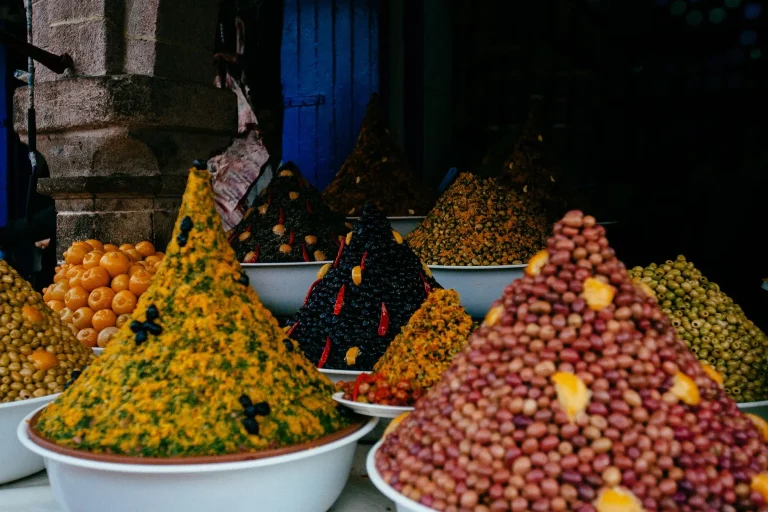
- Olives.
- Boiled eggs.
- Small bowls of lentils or beans.
A simple day of balanced Moroccan eating
That still leaves room for msemen, pastries, pastilla or a richer tagine during the trip. Healthy travel is about the pattern across several days, not trying to turn every meal into a nutrition project.
Final advice
The best way to eat well in Morocco is to eat more like a local household and less like a tourist banquet every night: vegetables, pulses, bread, olive oil, seasonal produce and simple cooked dishes, with richer foods treated as special rather than automatic.
How to order a balanced meal in a Moroccan restaurant
A useful formula is simple: start with one or two vegetable dishes, choose one main dish built around fish, chicken, pulses or vegetables, then share bread rather than treating the bread basket as an unlimited extra course. If the table orders several tagines or a large couscous, portions can be shared.
Restaurant food often becomes heavier when it is designed for visitors expecting a “feast” at every meal. You can still eat traditional food by ordering fewer dishes and letting the meal breathe.
Road days and long excursions
Healthy eating becomes harder on transfer days, not because Morocco lacks good food but because motorway stops and tourist-route restaurants narrow the choices. Carry fruit, nuts and water so hunger does not force the first available option.
On long south-Morocco drives, a simple omelette, salad, lentils or grilled food at a busy local stop can be more satisfying than a large set menu designed around tour groups.
Ramadan and meal timing
During Ramadan, daytime food availability can change, especially outside major tourist districts. Hotels continue to serve guests, but ordinary cafés and restaurants may operate shorter hours. After sunset the rhythm reverses and food becomes central to the evening.
If you are travelling during Ramadan, plan breakfast and daytime snacks rather than assuming every usual lunch option will be open. It is also worth experiencing the evening respectfully; harira, dates and shared meals are an important part of the month.
Health needs are different from “healthy eating”
Travellers managing diabetes, coeliac disease, severe allergy, kidney disease or another medical condition should plan around that condition rather than relying on general nutrition advice. Bring enough prescribed medication, keep essential medical information available offline and use professional medical advice for dietary restrictions.
For the wider food culture behind these choices, see our complete guide to Moroccan cuisine and our Moroccan street-food guide.

Leave a comment