
Eating healthily in Morocco is, happily, not difficult. Moroccan cuisine is built around fresh vegetables, olive oil, legumes, lean meat and an extraordinary range of spices with documented health benefits. The challenge is avoiding the tourist-trap restaurants and finding the real food.
The Naturally Healthy Moroccan Diet
Traditional Moroccan cooking aligns closely with the Mediterranean diet. Olive oil is used generously for cooking and dipping. Legumes — lentils, chickpeas, broad beans — appear in harira soup, salads and side dishes. Vegetables are central to almost every meal: courgette, carrot, turnip, pumpkin and aubergine feature in tagines and couscous. Grilled meat is leaner than fried alternatives.
Best Healthy Choices
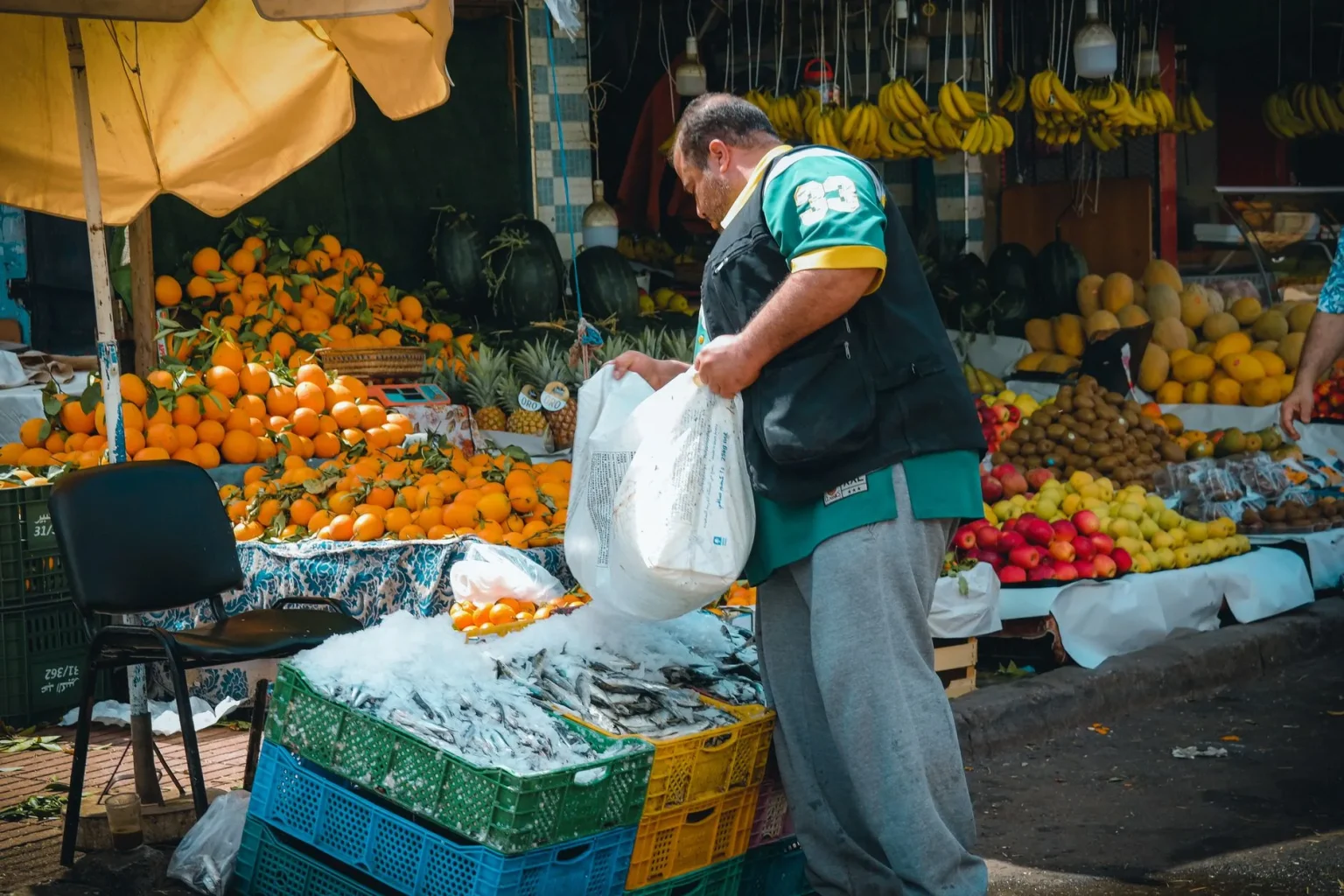
Harira soup is nutritionally excellent — tomatoes, lentils, chickpeas, celery, herbs, a little meat. A bowl for breakfast keeps you going for hours. Zaalouk (roasted aubergine and tomato salad) and taktouka (roasted peppers and tomatoes) are Moroccan salads that are among the healthiest starters you’ll eat anywhere. Grilled fish at any coastal city is always a smart choice.
What to Watch Out For
The tourist restaurant version of Moroccan food is often heavier than the real thing — more oil, more salt, larger portions. Avoid the set-menu tourist traps around Jemaa el-Fna and Fès’s main tourist drag. Instead, look for small neighbourhood restaurants where local workers eat lunch — the food will be better, fresher and half the price.
Staying Hydrated
Drink bottled water always. Fresh-squeezed orange juice is widely available and excellent. Moroccan mint tea (atay) is genuinely healthy — green tea and fresh mint — though it comes heavily sweetened; ask for bla sukkar (without sugar) if you prefer.
